Australia is trying to enforce the first teen Social media ban Governments worldwide are watching
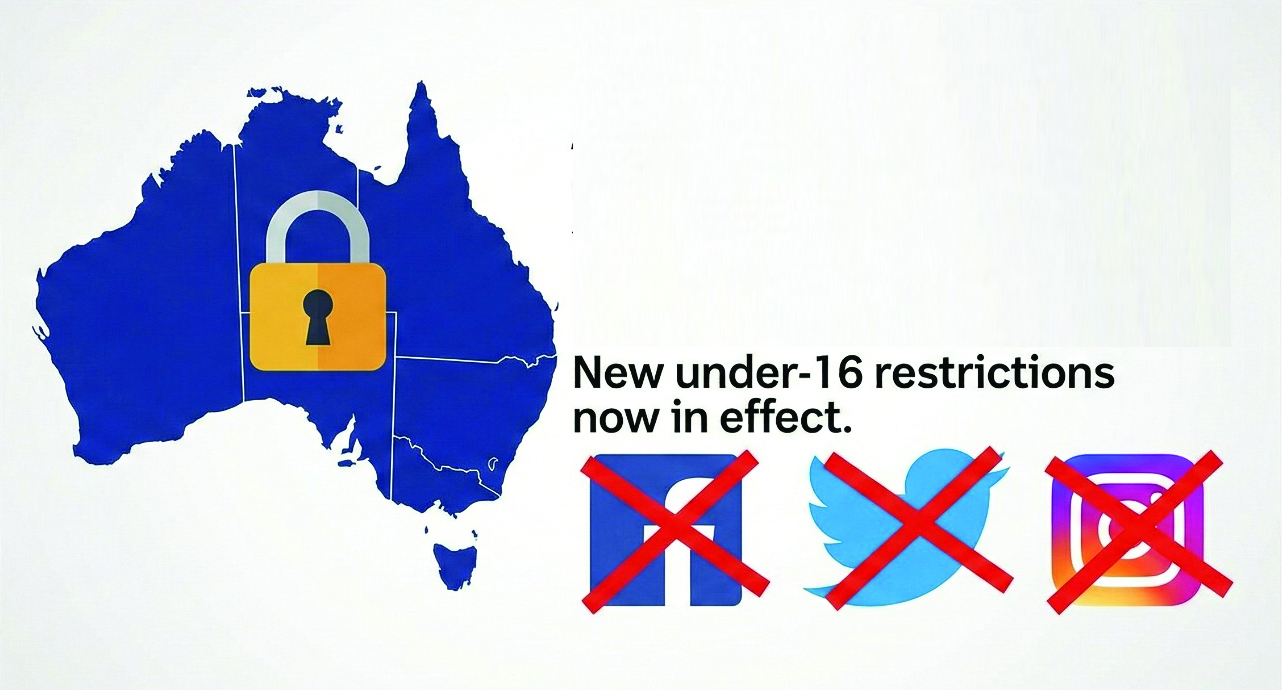
(News Agency) Australia on Wednesday became the first country to formally bar users under the age of 16 from accessing major social media platforms, a move expected to be closely monitored by global tech companies and policymakers around the world. Canberra’s ban, which came into effect from midnight local time, targets 10 major services, including Alphabet ’s YouTube, Meta’ s Instagram, ByteDance’s TikTok, Reddit , Snapchat and Elon Musk’s X. The controversial rule requires these platforms to take “reasonable steps” to prevent underage access, using age-verification methods such as inference from online activity, facial estimation via selfies, uploaded IDs, or linked bank details.
All targeted platforms had agreed to comply with the policy to some extent. Elon Musk’s X had been one of the last holdouts, but signaled on Wednesday that it would comply. The policy means millions of Australian children are expected to have lost access to their social accounts. owever, the impact of the policy could be even wider, as it will set a benchmark for other governments considering teen social media bans, including Denmark, Norway, France, Spain, Malaysia and New Zealand. Controversial rollout Ahead of the legislation’s passage last year, a YouGov survey found that 77% of Australians backed the under-16 social media ban. Still, the rollout has faced some resistance since becoming law. Supporters of the bill have argued it safeguards children from social media-linked harms, including cyberbullying, mental health issues, and exposure to predators and pornography. Among those welcoming the official ban on Wednesday was Jonathan Haidt, social psychologist and author of The Anxious Generation, a 2024 best-selling book that linked a growing mental health crisis to smartphone and social media usage, especially for the young. In a post on social media platform X, Haidt commended policymakers in Australia for “freeing kids under 16 from the social media trap.” “There will surely be difficulties in the early months, but the world is rooting for your success, and many other nations will follow,” he added.
On the other hand, opponents contend that the ban infringes on freedoms of expression and access to information, raises privacy concerns through invasive age verification, and represents excessive government intervention that undermines parental responsibility.